
Tuesday, May 26, 2015

Tuesday, May 12, 2015
SOME IDIOMS
-You should let sleeping dogs lie: don't worse the situation
-Don't count your chickens before the eggs have hatched: don't make plans of something hasn't passed yet
-To let the cat out of the bag: say information you should keep in secret.
-Elvis has left the building: It's the end of a big show
-Don't cry over spilt milk: don't cry when something has passed because doing that you won't fix it
-Take it with a grain of salt: don't take the comment so personally
-That's the best thing since sliced bread: Something that is incredible or a great idea.
-It costs an arm and a leg: something very expensive
-Speak of the devil: when you are talking of someone and he/she appears.
-To be the devils advocate: when you defend something you're not agree.
-Someone is sitting on the fence: when you don't make a decision
-I want to see the back of him: I want that he/she goes away.
-Hit the sac: go to sleep
-You see eye to eye: be very good friends
Wednesday, April 15, 2015
Reported Speech
Three types:
-Statements: Introduced by "say" or "tell"
"Anna told me she had cleaned the window"
-Questions: Introduced by "ask" or "want to know"...
"Mandy asked me if the boys were reading the book" (Yes or no question)
"Jason wanted to know who had given me the laptop" ( Who, where, what... question)
-Comands: Introduced by "order", "beg", "tell"...
"He told me not to come"

Saturday, December 13, 2014
Vocabulary units 2 & 3
Unit 2: Natural disasters
Spreed: esparcirse
Ash: cenizas
Mud: lodo
Crowd: mucha gente
Masive!: something terrible
Gas leak: escape de gas
Wiped out : arrasó
Steam: vapor
Failure: fracaso
Casual: comfortable
Broadcaster: reportero
To bled: to put together
Earthquake doill: simulacro de terremoto
Complaid: quejarse
Food supplies (non perishable): food that don't go bad.
Shelter: cobijo
Tub: bañera
Bruise: herida
Sway: cimbrear
Break out: empezar(un fuego)
Put out: apagar (un fuego)
To be fond of= like very much
Run the risk=put yourself in danger
They burned down to a crisp: quedar reducido a cenizas
Unit 3 : Against the law
Kidnapped: raptados
Drugdealers: Traficante de drogas
Hijack: secuestro de avión
Burglar: ladrón
Crew: tripulación
Scam: estafa
Gang: banda
Murder: asesinato
Ransom: rescate
Mug: atracar
Gas pipes: tuberías de gas
Manage to (verb): conseguir con mucho esfuerzo
Friday, December 12, 2014
Wednesday, October 22, 2014
Vocabulary
CLASS
-Pedestrian crossing: zebra crossing -Sniffing: oler
-"When in Roma, do as romans do": Donde fueres, haz lo que vieres.
-Actually: realmente
-Nowadays: actualmente
-Pins the blame: echar la culpa
-Blur: borroso
-Foggy: nublado
TRAVEL
-Baggage claim: carrusel (aeropuerto) -Blanket: manta
-Luggage: maletas -Carry-on: equipaje de mano
-Recline: tumbarte -Board: embarcar
-Safe and sound: sanos y salvos
-Taking time off from work: tomarse unos días
-Travel arrangements: lo que necesitas para viajar
-Hotel: hotel (more expensive)
 -Motel: motel( medium)
-Hostel: hostal (cheaper)
AMERICAN ENGLISH (CALIFORNIA)
-Living it up: living well or enjoying
-Living it up: living well or enjoying
-Railways: carriles/vías
-Sprouts:brotes(planta)
-Dome:cúpula
-Hood: short for neighborhood
-Dude: you(colega)
-Alrighty: okey
-That's hecka cool: very cool
-Yo, let's bail!: pirarte
-Call you out: llamar la atención
-That burrito is so bomb!: very good
-Bro, why you putting me on blast? : to embarras someone in public "me estás dejando en ridículo"
-Super awesome!: something is great
-To rock: wear something with style
-Something heavy: very sad
-Super awesome!: something is great
-To rock: wear something with style
-Something heavy: very sad
Monday, September 29, 2014
Cultural Differences
Examples:
-Shaking the head in a horizontal direction in most countries means "no", while in India it means "yes"
-In the UK, Irleand and Commonwealth countries, the word "compromise" has a positive meaning ( as a consent, an agreement where both parties win something) in the USA it may rather have negative connotations (as both parties lose something)
Links:
http://www.cicb.net/en/home/examples

-Shaking the head in a horizontal direction in most countries means "no", while in India it means "yes"
-In the UK, Irleand and Commonwealth countries, the word "compromise" has a positive meaning ( as a consent, an agreement where both parties win something) in the USA it may rather have negative connotations (as both parties lose something)
Links:
http://www.cicb.net/en/home/examples
Thursday, September 25, 2014
A new year has started
Hello everyone :)
The year has started we have a lot of things to do and I'm glad to be with all my classmates again :D
I think this year will be great, so let's make the most of it.
I hope we learn a lot and we improve our vocabulary and pronuntiation, so...
GET ON WITH IT!

Monday, June 9, 2014
Social Sciences: Glossary unit 10
THE SPANISH ECONOMY
Cereals: Grasses grown for the edible components of their grain.Mortgage: A loan to finance the purchase of private residential or commercial property.
Speculation: Investment in stocks, property or other assets in the hope of gain, but with the risk of loss.
Crop: A cultivated plant to be harvested as food, animal fodder, fuel or for any other economic purpose.
Agricultural landscape: A landscape that has been transformed by people to cultivate crops and/or rear livestock.
Cultural heritage: The things, places and practices that define who we are as individuals, as communities, as nations or cultures.
Domestic tourism: Tourism in which tourists do not leave their own country.
Large-scale tourism: Travel and accommodation offered to large groups at affordable prices by tour operators.
Tour operators: A company that combines tour and travel components to cater for large-scale tourism.
High-speed rail: A type of rail transport involving high-speed trains.
Peak season: the season when travel is most active and rates are highest.
Off-peak season: The season when travel is less active and rates are lower.
Recession: A business cycle contraction; a general slowdown in economic activity.

Sunday, June 8, 2014
Social Sciences: Glossary unit 9
THE TERTIARY SECTOR
Freight: goods or produce transported by ship, aircraft, train, lorry or van.Capital flows: the large amounts of money being moved around the world.
Exports: goods or services that are sold outside the country where they are produced.
Imports: goods or services that are brought into a country from abroad for sale.
Balance of trade: the difference between the monetary value of exports and the imports of a country.
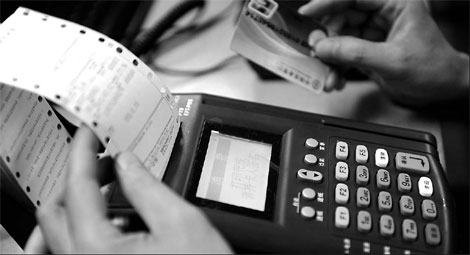 Balance of payments: is a record of all monetary transactions between a country and the rest of the world that includes goods, services and capital.
Retail: a type of trade in which businesses sell small quantities of goods directly to consumers.
Wholesale: trade in wich buyers purchase large quantities of goods and sell them, in smaller quantities, to other companies.
Trade bloc: a group of countries that join together to form an area with special trade regulations.
Transport network: the connection of roads, railway lines, ports or airports that facilatate the transport of goods and/or people.
Market: the meeting of buyers and sellers of goods and services. Market can be tangible or abstract and it decides the price of goods and services.
Infrastructure: the basic physical and organisational structures needed for an economy to function.
Bartering: an old form of trade, where you exchange certain goods for others.
Tourism: a sector dedicated to travel for recreational, leisure or business purposes.
Information society: a society in which the creation, distribution, and manipulation of information has become the most significant economic and cultural activity.
Public services: a service that you can use without pay because it's funded by taxes.
Private services: a service that you pay when you use it.
Vocabulary unit 8 and 9
Barefoot: without shoes
Protective gear = protective equipement
Helmet: a piece fot protect your head
Treadmill: an exercise machine where you walk or run.
 Ashamed: miserable
Dissapointed: upset
Delighted: very happy
Relatives: family members
Sibling rivalry: rivalry between brothers and sisters.
EXPRESSIONS:
I'm feeling down: feel nervous, worry and upset.
No wonder: it's obvious, you have reason.
I can't stand: I hate, I really don't want.
It's tough: it's hard/difficult
Never mind: Don't worry
Help me out: help me
Draw the line: put a limit.
Put up with: tolerate
It's up to you: depends in you.
I've got no idea: I don't know
Thursday, May 29, 2014
Thursday, May 22, 2014
Sunday, May 18, 2014
The bicycle
That thing was invented by Kirkpatrick Macmillan, he was a Scottish blacksmith.
 The first model was developed around 1885, but many details have been improved since the use of modern materials.
It is know by a lot of people. Also this thing is used by people of all ages to move from place to place.
Many components of it were used for the development of the car.

The first model was developed around 1885, but many details have been improved since the use of modern materials.It is know by a lot of people. Also this thing is used by people of all ages to move from place to place.
Many components of it were used for the development of the car.
Saturday, May 3, 2014
Social Sciences: Glossary unit 8
Mechanisation: the use of machinery in the production process.
Mining: the process of extracting minerals from the ground.
Mineral: a naturally occurring solid chemical substance.
Fossil fuels: a tradicional energy source like coal or oil.
Industry: any economic activity that produces a service or transforms raw materials into consumer goods.
Irrigated farming: farming in which the water from groundwater, reservoirs or rivers is brought to fields.
Energy: power that comes from the utilization of physical or chemical resourcesto provide light and heat.
Biomass: organic material used as a fuel that releases energy when burn.
Managment: the people that run a company and ensure that goods and services of a high enough quality are produced and sold at competitive prices.
 Worforce: the employees required to produce goods and services.
Wind turbine: a device that converts kinetic energy from the wind into mechanical energy to drive machinery (windmill/wind pump) or generate electricity (wind generator)
Solar panel: a set of solar photovotaic modules electrically connected made from a special material that converts solar energy into electricity.
Renewable energy: inexhaustible energy
Non-renewable energy: energy with limited supplies.
Traditional energy: energy sources most commonly used.
Alternative energy: energy sources that are still being developed.
Dam: a barrier built across a river to create a body of water.
Guild: an association of men sharing the same interests (example: artisans)
Heavy industry: industries that made goods that cannot be immediately consumed. They have that name because of the large quantities of resources they use.
Light industry: industries that produce goods ready for consumption. They have that name because of the relatively small size of their production.
Cutting-edge industries: industries that employed advanced technology.
Craftsperson: a person who makes products using basic tools and manual labour.
Mining: the process of extracting minerals from the ground.
Mineral: a naturally occurring solid chemical substance.
Fossil fuels: a tradicional energy source like coal or oil.
Industry: any economic activity that produces a service or transforms raw materials into consumer goods.
Irrigated farming: farming in which the water from groundwater, reservoirs or rivers is brought to fields.
Energy: power that comes from the utilization of physical or chemical resourcesto provide light and heat.
Biomass: organic material used as a fuel that releases energy when burn.
Managment: the people that run a company and ensure that goods and services of a high enough quality are produced and sold at competitive prices.
Worforce: the employees required to produce goods and services.Wind turbine: a device that converts kinetic energy from the wind into mechanical energy to drive machinery (windmill/wind pump) or generate electricity (wind generator)
Solar panel: a set of solar photovotaic modules electrically connected made from a special material that converts solar energy into electricity.
Renewable energy: inexhaustible energy
Non-renewable energy: energy with limited supplies.
Traditional energy: energy sources most commonly used.
Alternative energy: energy sources that are still being developed.
Dam: a barrier built across a river to create a body of water.
Guild: an association of men sharing the same interests (example: artisans)
Heavy industry: industries that made goods that cannot be immediately consumed. They have that name because of the large quantities of resources they use.
Light industry: industries that produce goods ready for consumption. They have that name because of the relatively small size of their production.
Cutting-edge industries: industries that employed advanced technology.
Craftsperson: a person who makes products using basic tools and manual labour.
Monday, April 21, 2014
Saturday, March 22, 2014

DO and MAKE
We use make with:
- ... a difference
- ... a discovery
- ... an effort
- ... friends
- ... money

We use do with:
- ... our best
- ... research
- ... some good
Unit 4 and 5: Vocabulary
Catwalk: where the models walk to show clothes.
Stiletto: high heel.
 Fashion stakes: important world of fashion.
Bum bag: a small bag with a belt.
Sloppy joe: tracksuit.
Survey: to view or consider in a comprehensive way.
Let down: to disapoint.
Highlights streaks: part of your head that you paint with a different colour.
Mohawk: hairstyle with a strip of longer hair in the center.
Dwellers: population, inhabitants.
Liveable: somewhere you can live and i'ts very confortanle.
Bias: you aren't neutral.
Playground: a park for the children where they can play.
Heating: a device for supplying heat.
Convenient: useful, practical.
The lost world
boss: chief.
branches: woody stems.
half-ape: half human, half monkey.
nod: say yes with the head.
path: way.
shook the head: say no with the head.
trap: trick.
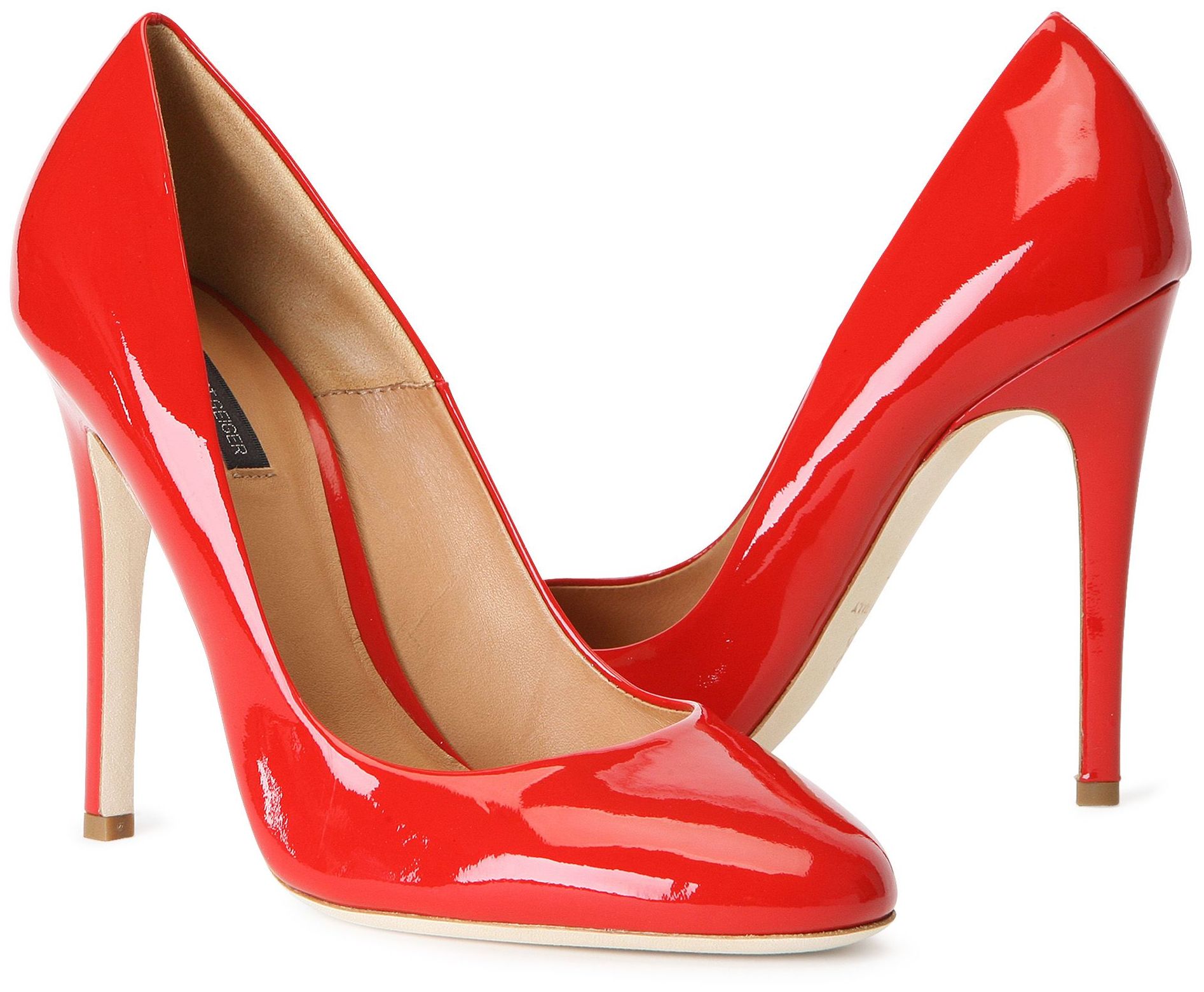
Stiletto: high heel.
 Fashion stakes: important world of fashion.
Bum bag: a small bag with a belt.
Sloppy joe: tracksuit.
Survey: to view or consider in a comprehensive way.
Let down: to disapoint.
Highlights streaks: part of your head that you paint with a different colour.
Mohawk: hairstyle with a strip of longer hair in the center.
Dwellers: population, inhabitants.
Liveable: somewhere you can live and i'ts very confortanle.
Bias: you aren't neutral.
Playground: a park for the children where they can play.
Heating: a device for supplying heat.
Convenient: useful, practical.
The lost world
boss: chief.
branches: woody stems.
half-ape: half human, half monkey.
nod: say yes with the head.
path: way.
shook the head: say no with the head.
trap: trick.
Tuesday, March 18, 2014
Social Sciences: Vocabulary unit 7
Agriculture, livestock and fishing
Plot: on area of land where crops are grown.
Soil: the substance on the surface of the Earth in which plants grow, produced mainly by the weathering of rock.
Crop rotation: the practice of growing different types of crops in the same area in sequential seasons This method improves soil fertility and resistance to disease and pests.
Intensive agriculture: an agricultural system characterized by heavy investments of capital and labour.
Extensive agriculture: an agricultural system that uses small inputs of labour, fertilisers and capital, relative to the area of land that is being farmed.
Dryland farming: farming in which the fields receive only rainwater.
Irrigated farming: farming in which water from groundwater, reservoirs or rivers is brought to fields.
Polyculture: farming system in which the land is divided up into small crops where the farmers can grow a variety of crops.
Monoculture: farming system in which farmers grow a single crop.
Greenhouses: a building, usually made of glass, for the cultivation of plants under controlled conditions.
Subsistence agriculture: a type of agriculture in which farmers only grow enough food to feed themselves and their families.
Shifting cultivation: a type of a subsistence agriculture technique that involves cutting and burning forest or savannah to create fields.
Livestock farming: farming based on rearing animals to obtain products such as meat, milk, eggs, leather, natural fertiliser and wool.
Housed livestock: livestock fed with fodder in farm buildings.
Cattle: cows livestock
Fodder: bulk feed for livestock.
Rear: to care for, breed and grow animals until maturity.
Fishing ground: an area of water that is used for fishing.
Aquaculture: an activity that consists of farming marine animals and plants in pools, ponds or enclosed areas of the coast.
Overfishing: a form of overexploitation in which you catch a lot of tones of fish before they reproduce.
Fleets: a number of warships organized as a tactical unit.
School of fish: group of fish that are together under water.
Subscribe to:
Posts (Atom)