Unit 2: Natural disasters
Spreed: esparcirse
Ash: cenizas
Mud: lodo
Crowd: mucha gente
Masive!: something terrible
Gas leak: escape de gas
Wiped out : arrasó
Steam: vapor
Failure: fracaso
Casual: comfortable
Broadcaster: reportero
To bled: to put together
Earthquake doill: simulacro de terremoto
Complaid: quejarse
Food supplies (non perishable): food that don't go bad.
Shelter: cobijo
Tub: bañera
Bruise: herida
Sway: cimbrear
Break out: empezar(un fuego)
Put out: apagar (un fuego)
To be fond of= like very much
Run the risk=put yourself in danger
They burned down to a crisp: quedar reducido a cenizas
Unit 3 : Against the law
Kidnapped: raptados
Drugdealers: Traficante de drogas
Hijack: secuestro de avión
Burglar: ladrón
Crew: tripulación
Scam: estafa
Gang: banda
Murder: asesinato
Ransom: rescate
Mug: atracar
Gas pipes: tuberías de gas
Manage to (verb): conseguir con mucho esfuerzo
Saturday, December 13, 2014

Friday, December 12, 2014
Wednesday, October 22, 2014
Vocabulary
CLASS
-Pedestrian crossing: zebra crossing -Sniffing: oler
-"When in Roma, do as romans do": Donde fueres, haz lo que vieres.
-Actually: realmente
-Nowadays: actualmente
-Pins the blame: echar la culpa
-Blur: borroso
-Foggy: nublado
TRAVEL
-Baggage claim: carrusel (aeropuerto) -Blanket: manta
-Luggage: maletas -Carry-on: equipaje de mano
-Recline: tumbarte -Board: embarcar
-Safe and sound: sanos y salvos
-Taking time off from work: tomarse unos días
-Travel arrangements: lo que necesitas para viajar
-Hotel: hotel (more expensive)
 -Motel: motel( medium)
-Hostel: hostal (cheaper)
AMERICAN ENGLISH (CALIFORNIA)
-Living it up: living well or enjoying
-Living it up: living well or enjoying
-Railways: carriles/vías
-Sprouts:brotes(planta)
-Dome:cúpula
-Hood: short for neighborhood
-Dude: you(colega)
-Alrighty: okey
-That's hecka cool: very cool
-Yo, let's bail!: pirarte
-Call you out: llamar la atención
-That burrito is so bomb!: very good
-Bro, why you putting me on blast? : to embarras someone in public "me estás dejando en ridículo"
-Super awesome!: something is great
-To rock: wear something with style
-Something heavy: very sad
-Super awesome!: something is great
-To rock: wear something with style
-Something heavy: very sad
Monday, September 29, 2014
Cultural Differences
Examples:
-Shaking the head in a horizontal direction in most countries means "no", while in India it means "yes"
-In the UK, Irleand and Commonwealth countries, the word "compromise" has a positive meaning ( as a consent, an agreement where both parties win something) in the USA it may rather have negative connotations (as both parties lose something)
Links:
http://www.cicb.net/en/home/examples
-Shaking the head in a horizontal direction in most countries means "no", while in India it means "yes"
-In the UK, Irleand and Commonwealth countries, the word "compromise" has a positive meaning ( as a consent, an agreement where both parties win something) in the USA it may rather have negative connotations (as both parties lose something)
Links:
http://www.cicb.net/en/home/examples
Thursday, September 25, 2014
A new year has started
Hello everyone :)
The year has started we have a lot of things to do and I'm glad to be with all my classmates again :D
I think this year will be great, so let's make the most of it.
I hope we learn a lot and we improve our vocabulary and pronuntiation, so...
GET ON WITH IT!

Monday, June 9, 2014
Social Sciences: Glossary unit 10
THE SPANISH ECONOMY
Cereals: Grasses grown for the edible components of their grain.Mortgage: A loan to finance the purchase of private residential or commercial property.
Speculation: Investment in stocks, property or other assets in the hope of gain, but with the risk of loss.
Crop: A cultivated plant to be harvested as food, animal fodder, fuel or for any other economic purpose.
Agricultural landscape: A landscape that has been transformed by people to cultivate crops and/or rear livestock.
Cultural heritage: The things, places and practices that define who we are as individuals, as communities, as nations or cultures.
Domestic tourism: Tourism in which tourists do not leave their own country.
Large-scale tourism: Travel and accommodation offered to large groups at affordable prices by tour operators.
Tour operators: A company that combines tour and travel components to cater for large-scale tourism.
High-speed rail: A type of rail transport involving high-speed trains.
Peak season: the season when travel is most active and rates are highest.
Off-peak season: The season when travel is less active and rates are lower.
Recession: A business cycle contraction; a general slowdown in economic activity.

Sunday, June 8, 2014
Social Sciences: Glossary unit 9
THE TERTIARY SECTOR
Freight: goods or produce transported by ship, aircraft, train, lorry or van.Capital flows: the large amounts of money being moved around the world.
Exports: goods or services that are sold outside the country where they are produced.
Imports: goods or services that are brought into a country from abroad for sale.
Balance of trade: the difference between the monetary value of exports and the imports of a country.
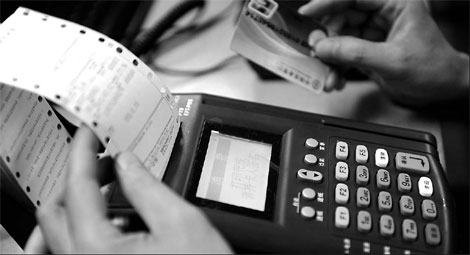 Balance of payments: is a record of all monetary transactions between a country and the rest of the world that includes goods, services and capital.
Retail: a type of trade in which businesses sell small quantities of goods directly to consumers.
Wholesale: trade in wich buyers purchase large quantities of goods and sell them, in smaller quantities, to other companies.
Trade bloc: a group of countries that join together to form an area with special trade regulations.
Transport network: the connection of roads, railway lines, ports or airports that facilatate the transport of goods and/or people.
Market: the meeting of buyers and sellers of goods and services. Market can be tangible or abstract and it decides the price of goods and services.
Infrastructure: the basic physical and organisational structures needed for an economy to function.
Bartering: an old form of trade, where you exchange certain goods for others.
Tourism: a sector dedicated to travel for recreational, leisure or business purposes.
Information society: a society in which the creation, distribution, and manipulation of information has become the most significant economic and cultural activity.
Public services: a service that you can use without pay because it's funded by taxes.
Private services: a service that you pay when you use it.
Subscribe to:
Posts (Atom)